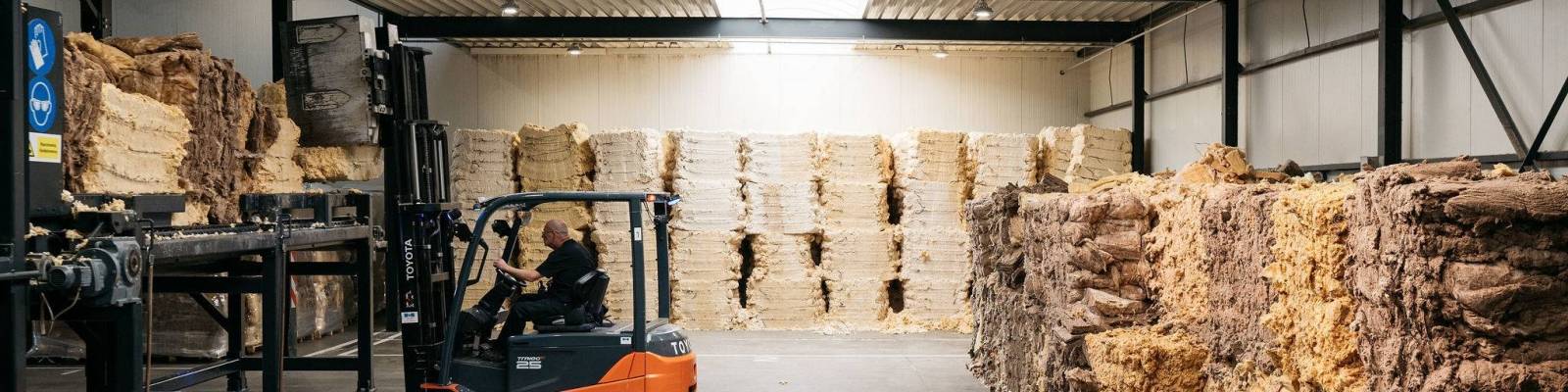
Devilée Insulation processes mineral wool waste into new insulation materials. Together with EPEA, a verified Environmental Product Declaration (EPD) was created for Durafloc/Cyclewool and published by the Institut Bauen und Umwelt e. V.
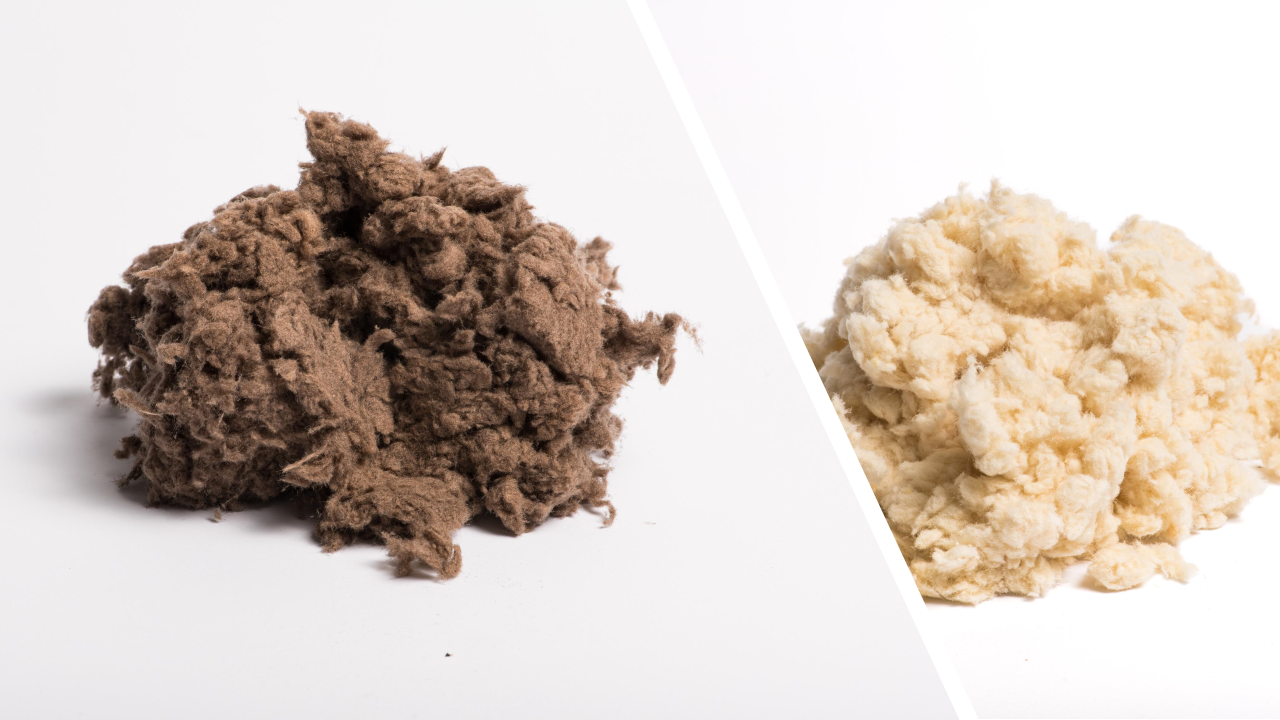
Durafloc/Cyclewool consists of 100% recycled glass wool and is used as a blown-in insulation material. The EPD makes the product's environmental impact transparent and provides reliable data for planning, tendering, and ecological building assessments.
Durafloc/Cyclewool consists of 100% recycled glass wool and, according to the EPD, generates only 2.46 kg CO₂e per m³ during the manufacturing phase. For comparison: the generic ÖKOBAUDAT dataset for mineral wool blown-in insulation shows approximately 65 kg CO₂e per m³ for production. This corresponds to a reduction in greenhouse gas emissions of around 96% compared to this reference dataset.
Link to the EPD
Ökobaudat comparison dataset: Process dataset: Blown-in insulation mineral wool

EPEA supported Devilée Insulation in the creation of the life cycle assessment and the EPD. This included:
Durafloc/Cyclewool is characterized by the following documented properties: