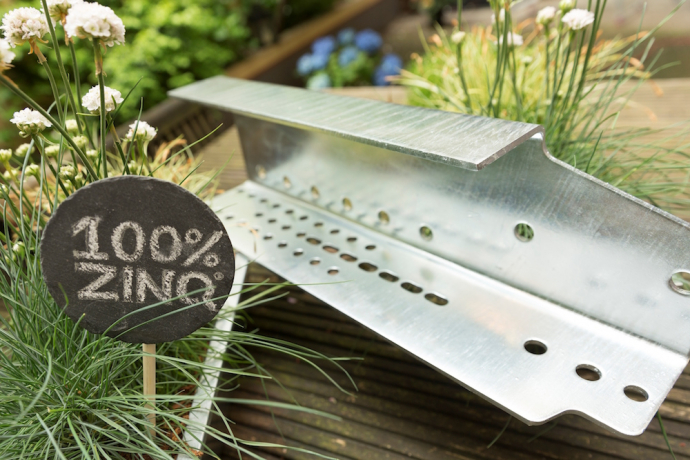
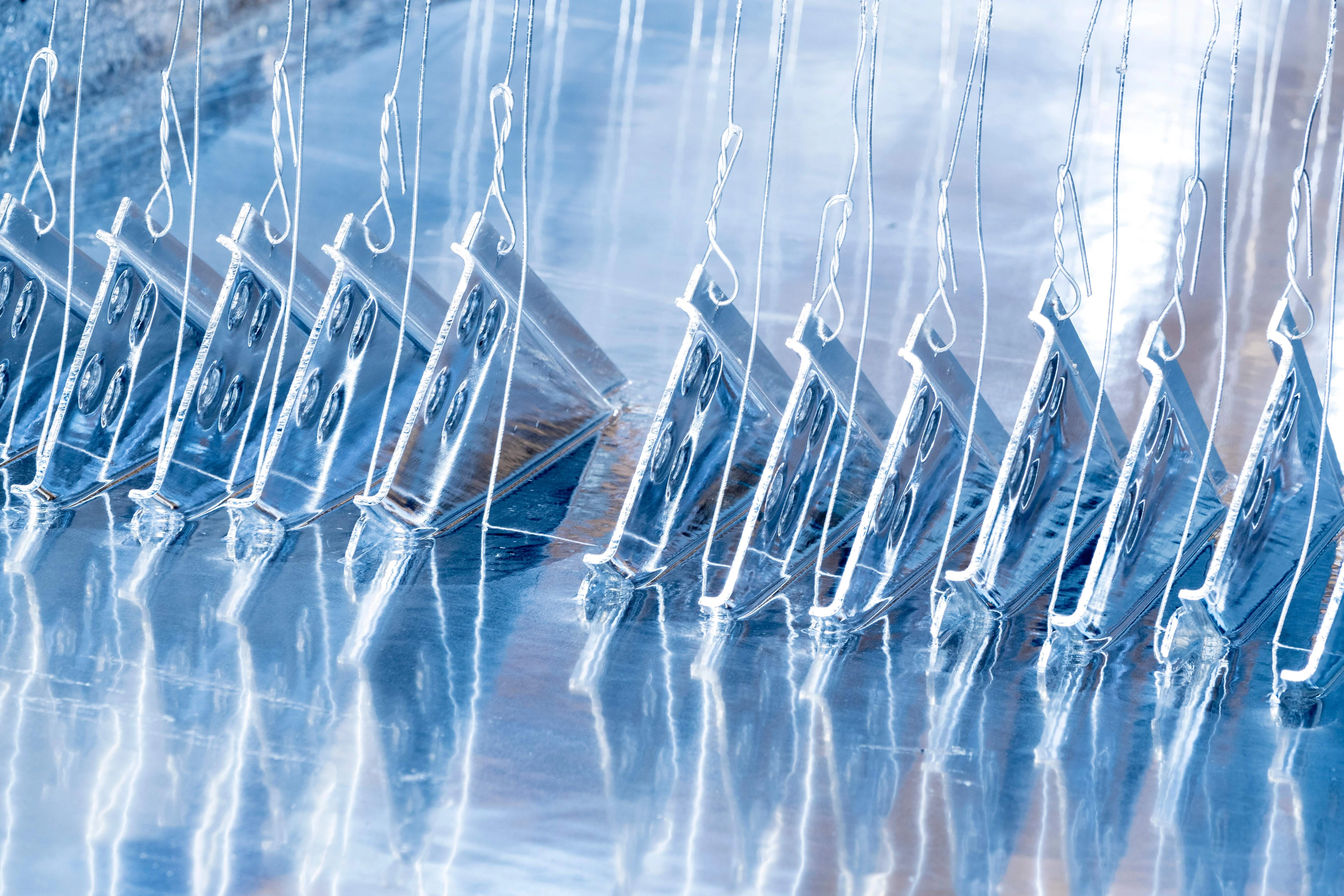
Zinq specializes in the production of corrosion protection coatings for a wide range of steel structures using the hot-dip galvanizing (HDG) process. This process utilizes zinc, a naturally occurring element that makes a significant contribution to the durability of steel structures. Zinc has high recycling rates and can be repeatedly recycled and reused as a material. In addition, it is a proven solution for protecting steel against corrosion. Hot-dip galvanizing can significantly extend the service life of steel structures and, in suitable applications, provide corrosion protection for several decades.
Zinq had already achieved a high level of resource and energy efficiency but sought to go further by implementing measures to improve the effectiveness of its products and processes. The principles of the Cradle to Cradle design concept support the company’s efforts to further innovate its HDG processes and products while reinforcing the direction it has already taken.
“Cradle to Cradle certification is the approach we have used to achieve outstanding resource efficiency and strengthen our market position.” (Zinq)