
The Pa-X-ell2 research project has entered its next phase with a consortium of eight project partners. The objective is to investigate and develop a decentralized energy network and a hybrid energy system featuring a new generation of fuel cells for use on ocean-going passenger ships.
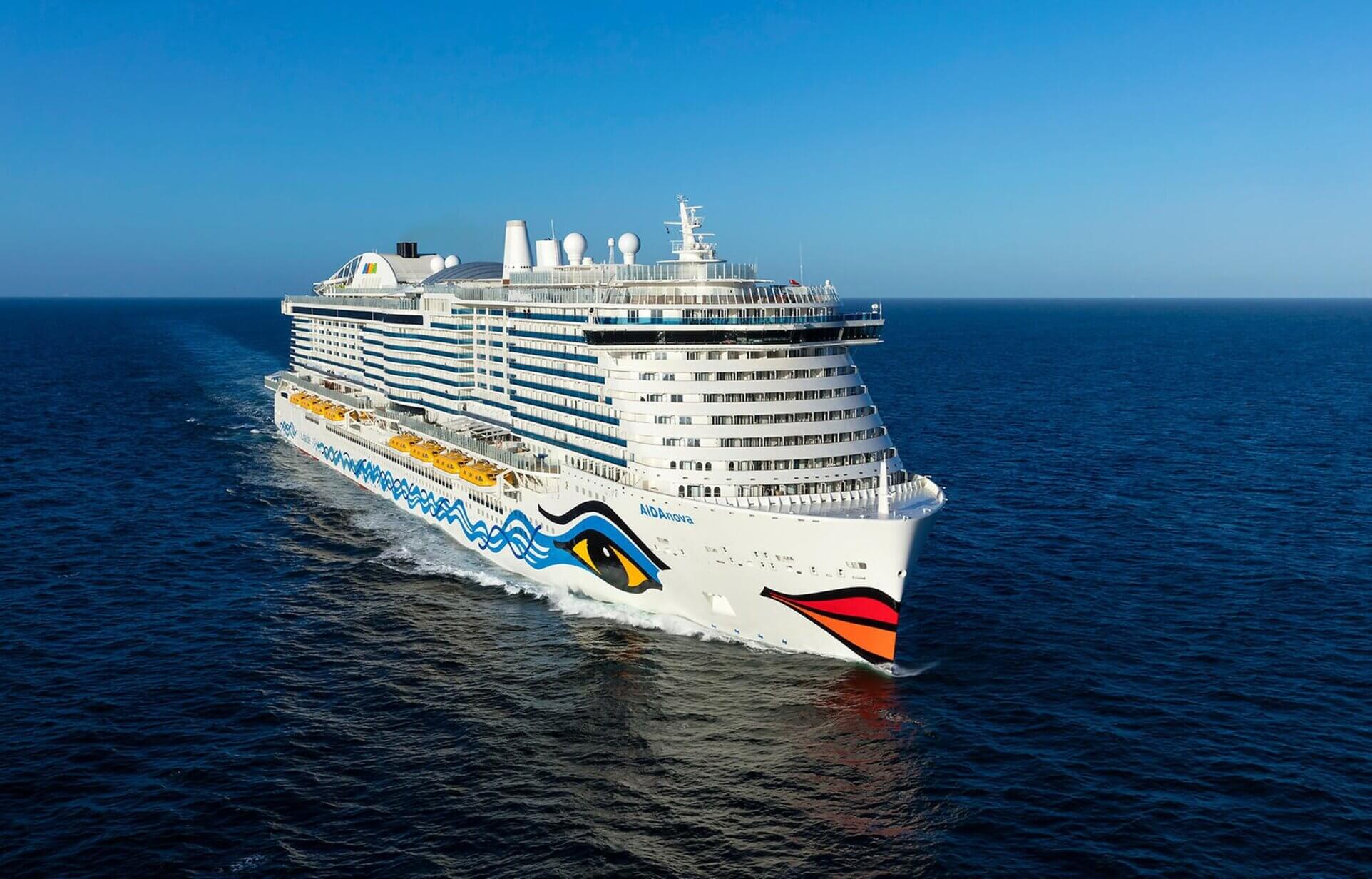
As early as 2014, MEYER WERFT commissioned a fuel cell prototype on land as part of the predecessor project Pa-X-ell. Since 2016, the company has also conducted initial fuel cell tests on board the Baltic Sea ferry Mariella. In the new project phase, the next-generation fuel cells are being tested on the cruise ship AIDAnova.
AIDAnova was the world's first cruise ship to operate entirely on liquefied natural gas (LNG), a lower-emission fuel. The new fuel cell technology aims to further reduce onboard emissions while also lowering noise and vibration levels. The hydrogen used to power the fuel cells is produced by reforming methanol, which can itself be generated using renewable energy sources, enabling an even more environmentally friendly operation.
The first cruise ship equipped with the new fuel cells developed by Freudenberg was planned to be AIDAnova. Extensive testing demonstrated a high level of durability, with a service life exceeding 35,000 operating hours.
The Pa-X-ell2 project is integrated into the e4ships cluster, alongside the RiverCell2 project, which focuses on fuel cell applications for river cruise vessels. Both projects are part of Germany’s National Innovation Programme for Hydrogen and Fuel Cell Technology and are supported by the Federal Ministry of Transport and Infrastructure.